Safari is a competitive category. Every operator has similar itineraries, similar lodges on the shortlist, and similar photography of elephants at sunrise. The question we kept coming back to with Mwito Asili was how you sell a trip you can't physically demo — and the answer turned out to be less about words and more about getting the first ten seconds of the website right.
Three deliverables, one piece of work
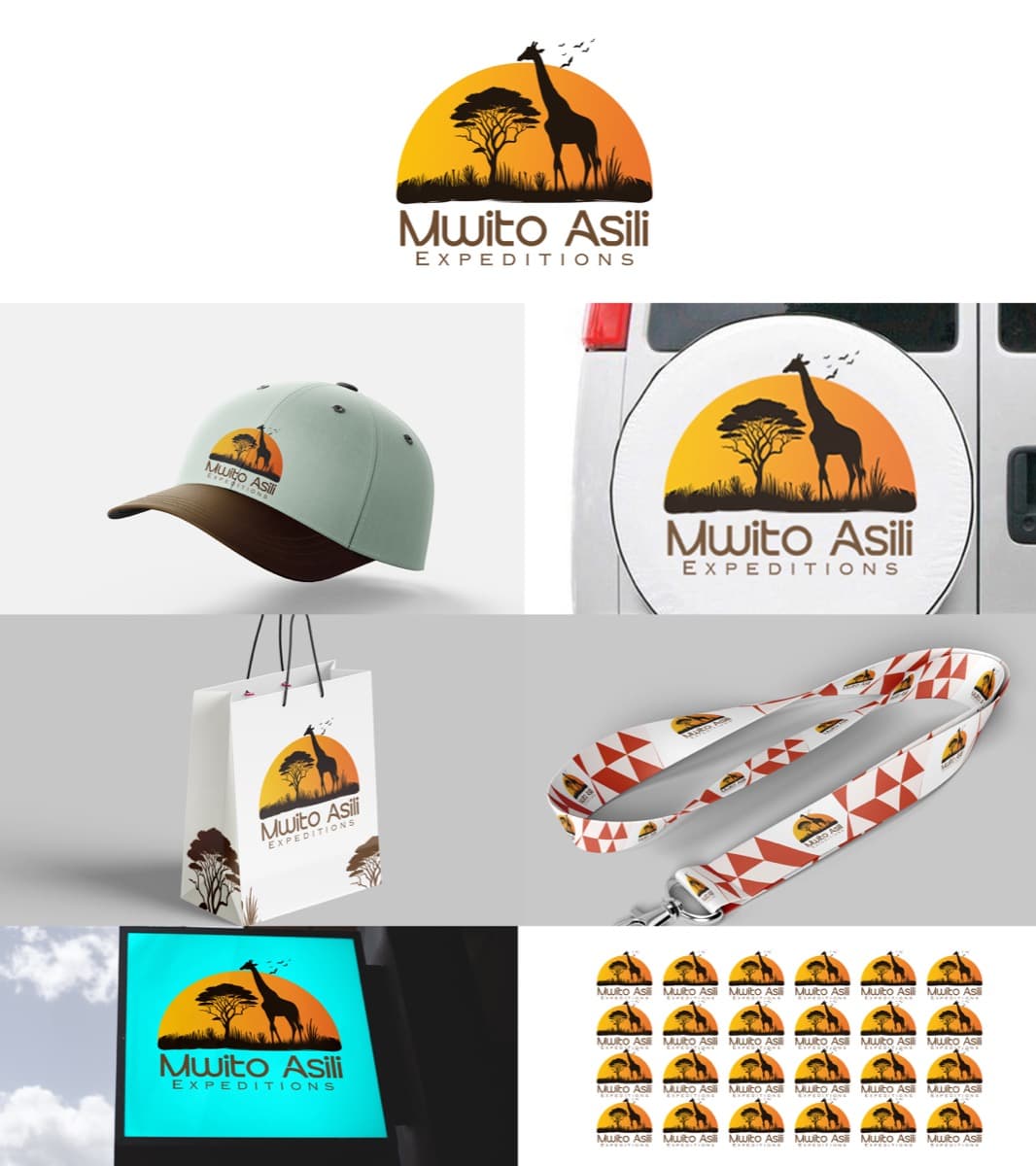
We don't usually sell branding and web separately, and Mwito Asili is a good example of why. The logo, the wildlife photography library, and the booking site had to feel like a single object — the logo sets the typography, the photography sets the colour palette, the site is the place a prospective traveler first experiences both.
- Identity system — primary and secondary logos, type system, brand guidelines, merchandise templates.
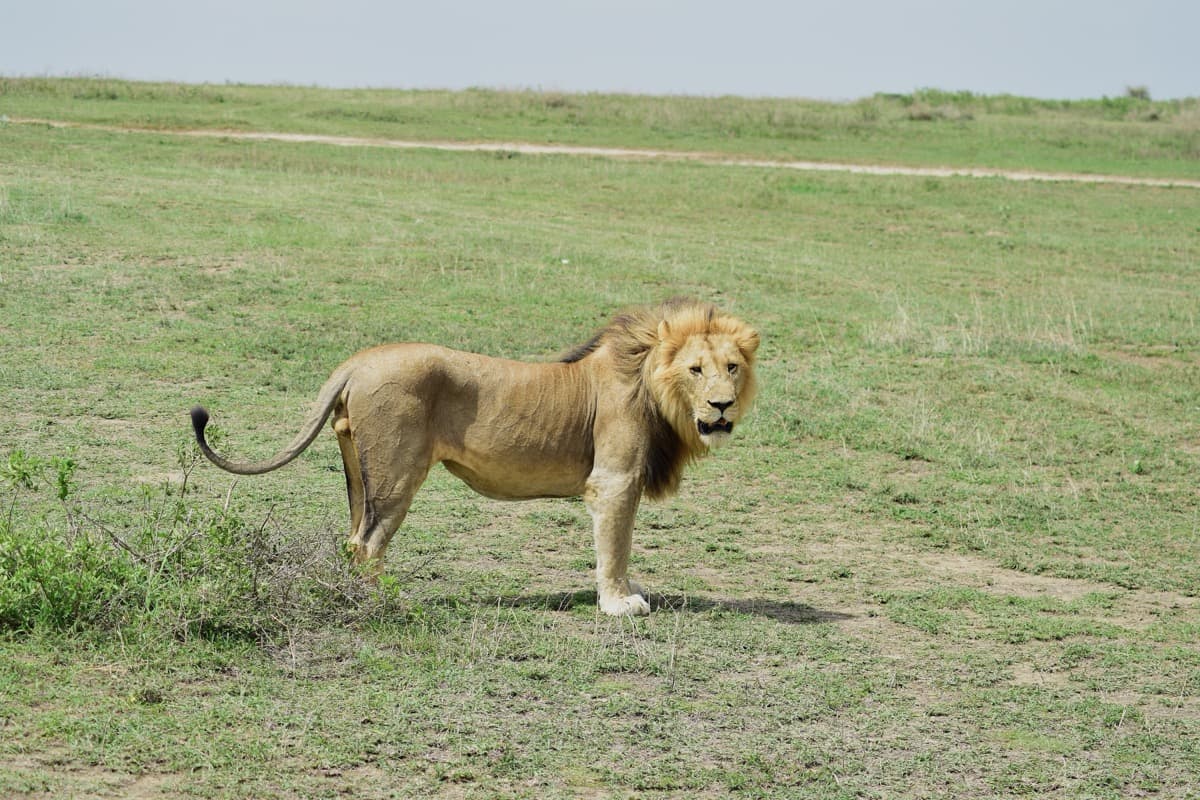
- Photography — a photo shoot across northern Tanzania that produced the site's hero library and a standalone gallery.
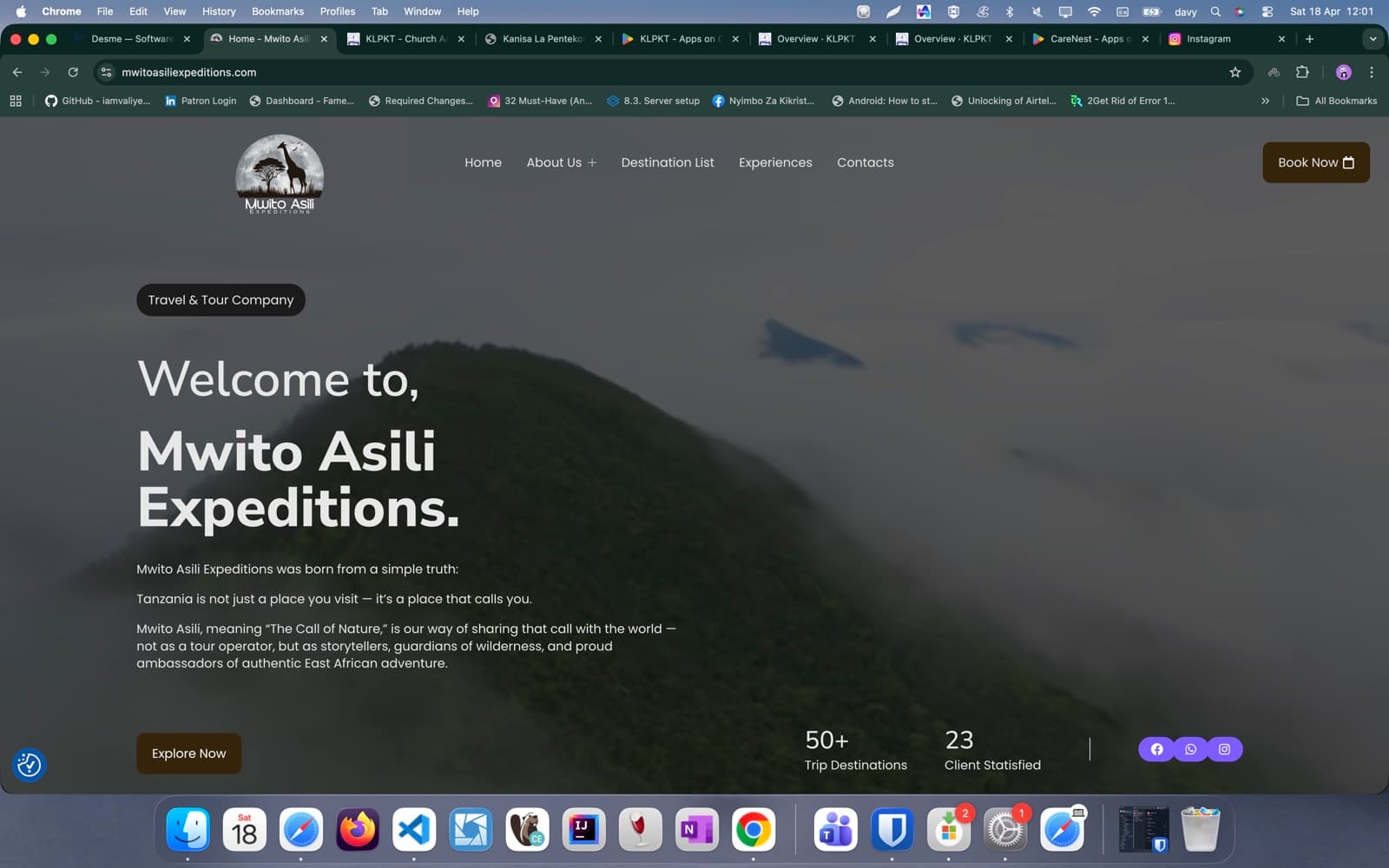
- Booking site — a Next.js site built around the single goal of getting the user to an inquiry in four steps.
The page that does the work
The landing page is the whole pitch. Hero photograph, a promise, two choices — see packages or start planning. Everything else down the page exists to back that promise up. We stripped a lot of prose the client had written for earlier materials; in a category this visual, the photograph does more work than any paragraph can.
The boring part nobody sees
A significant share of the project time went to image optimization and CDN setup. Safari sites live or die on how quickly a hero image resolves on a phone in a hotel in Arusha. Every image on the site is responsive-sized, lazy-loaded, and served from a CDN. Nothing about it is visible to the visitor, which is exactly the point.